A talk about uncertainty, learning, and care.
I never planned to work in healthcare. My early projects were fast, familiar, and comfortably within my domain. Healthcare was none of those things. It forced me into new territory quickly — designing for neuroscientists, surgeons, specialists and researchers whose world I didn’t yet understand. That discomfort became the beginning of real learning. Two major education platforms followed, each one pushing me further into the work of translating complex knowledge into clarity and usefulness. Those projects ended up opening an unexpected door: an invitation to speak at the UX Healthcare Conference in London.
What the work taught me
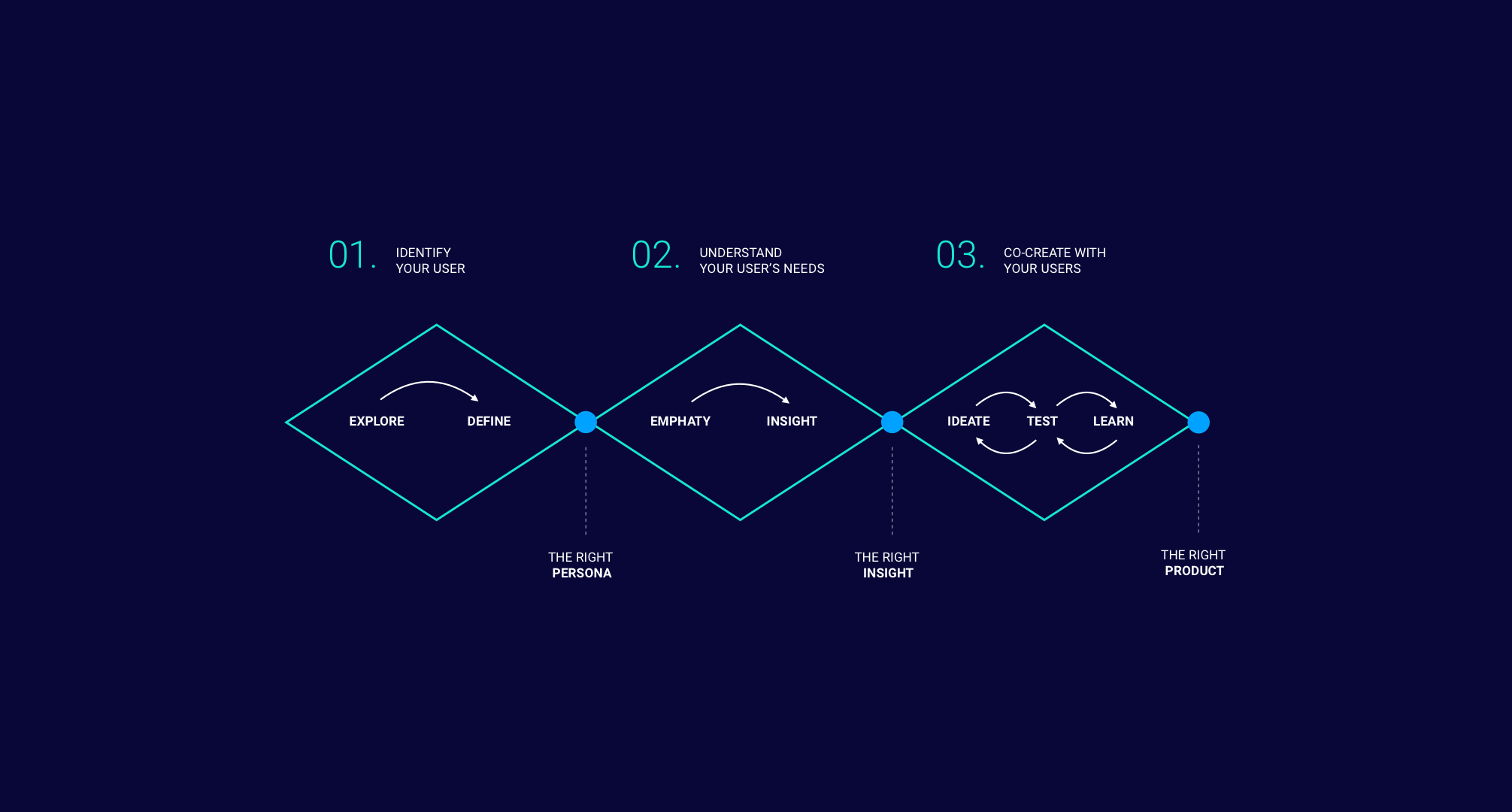
Healthcare design doesn’t let you pretend. You can’t rely on assumptions or hide behind polished deliverables. You have to ask the naïve questions, admit what you don’t know, and build understanding piece by piece. I invited my friend and former teammate, Alberto Minelli, to join me on stage because he lived that same journey — taking over the Biogen project after I left and progressing it with care and precision. Together, we spoke about the reality behind the work: the uncertainty, the learning curve, the process that holds everything together, and the people whose expertise we were designing for.
It wasn’t a talk about outcomes. It was a talk about becoming.
Why the moment mattered
Standing on that stage wasn’t about recognition. It was a reminder of the responsibility design carries in environments where mistakes have weight. Healthcare asks for clarity, humility, collaboration, and a willingness to keep learning long after the brief is written. Sharing that journey was energising — not because the work was perfect, but because it was honest.
If you’d like to explore what we shared, here is the presentation.
Download the PDFGood design requires evidence. In the next article, we’ll explore how to choose the right metrics, measure design impact, and translate outcomes into language stakeholders understand.